Understanding the Basics of Dog Grooming
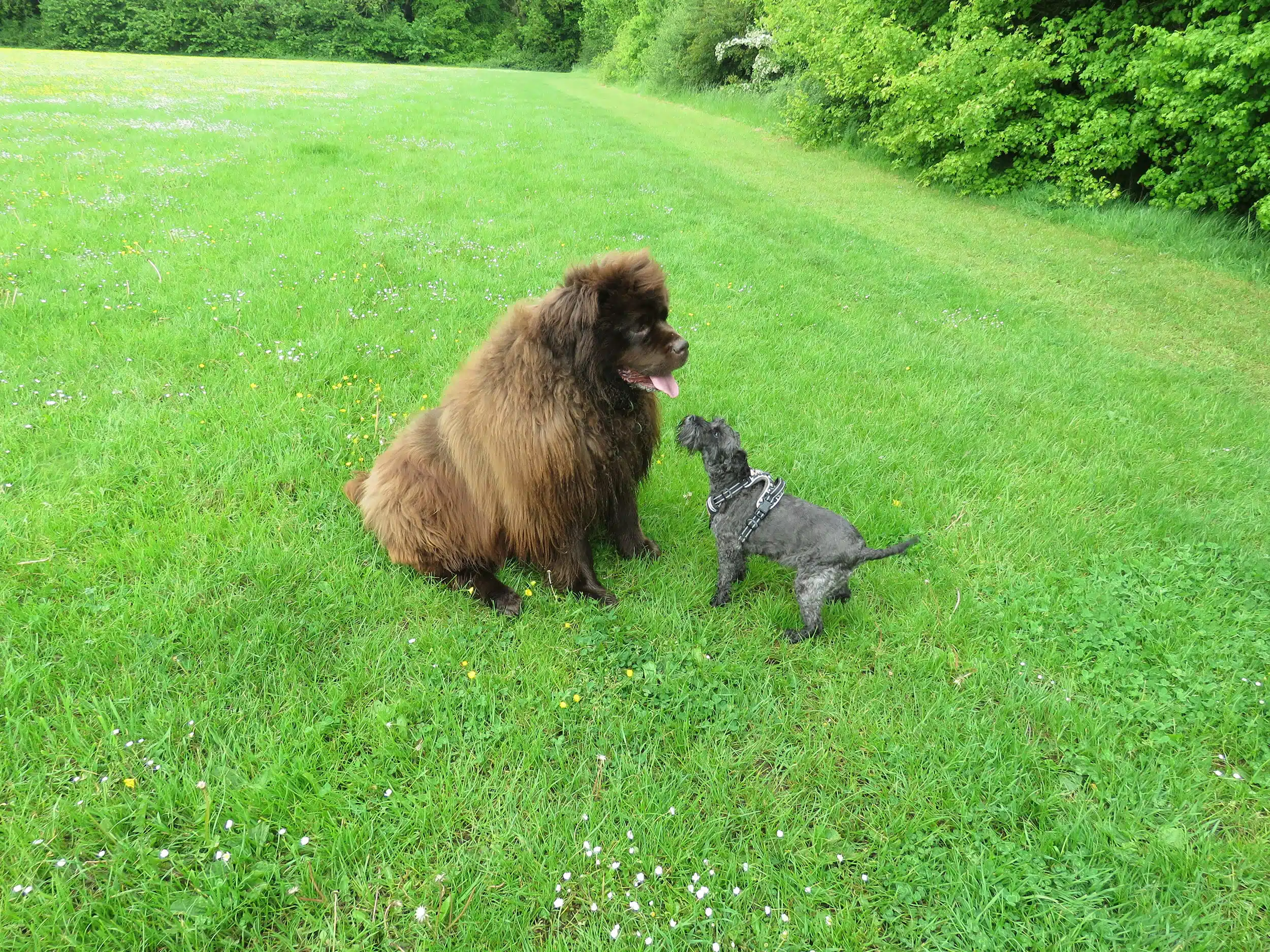
Grooming is an essential part of maintaining a dog’s health and well-being. Whether you own a small dog or a large one, grooming plays a crucial role in keeping your pet clean, comfortable, and happy. In this article, we will explore the differences between small dog grooming and large dog grooming, providing you with insights and tips to make the process easier and more effective.
The Importance of Grooming for All Dog Sizes
Grooming is not just about aesthetics; it’s about health. Regular grooming helps prevent health issues like skin infections, matting, and parasites. For both small and large dogs, grooming includes activities such as bathing, brushing, nail trimming, ear cleaning, and dental care. However, the approach can vary significantly depending on the size of the dog. Learn more about how regular grooming positively affects your dog’s behavior.
Small Dog Grooming: What You Need to Know
Small dogs, such as Chihuahuas, Pomeranians, and Dachshunds, have their unique grooming needs. Here’s what you should expect:
1. Bathing Frequency
Small dogs generally require more frequent baths than larger dogs. Their size makes them more prone to getting dirty quickly, especially if they are active. A bath every 3-4 weeks is usually sufficient unless your dog gets into something messy.
2. Brushing and Coat Care
Many small dog breeds have long or curly coats that require regular brushing to prevent tangles and matting. Use a soft brush to gently remove loose hair and debris. Regular brushing also helps distribute natural oils, keeping their coat healthy and shiny. For more tips, you might consider scheduling de-shedding for your pet.
3. Nail Trimming
Small dogs often have fast-growing nails that need to be trimmed regularly to prevent discomfort and injury. Aim to trim their nails every 3-4 weeks, or as needed.
4. Ear Cleaning
Due to their size, small dogs may be more prone to ear infections. Regular ear cleaning can help prevent this, especially for breeds with floppy ears. Use a vet-approved ear cleaner and a cotton ball to gently clean the outer ear.
5. Dental Care
Dental hygiene is crucial for small dogs as they are more susceptible to dental issues. Brush their teeth regularly with a dog-friendly toothpaste and consider dental treats or toys to help maintain oral health.
Large Dog Grooming: What to Expect
Large dogs, such as Golden Retrievers, German Shepherds, and Great Danes, have different grooming requirements. Here’s what you should keep in mind:
1. Bathing Considerations
Bathing a large dog can be quite an undertaking due to their size. They typically need baths less frequently than small dogs, about every 6-8 weeks, unless they have a skin condition or get particularly dirty.
2. Brushing for Large Breeds
Large dogs often have thick or double coats that require regular brushing to manage shedding and prevent matting. Use a sturdy brush suitable for their coat type and brush them at least once a week.
3. Nail Care
Nail trimming for large dogs can be challenging, especially if they are not accustomed to it. It’s important to start trimming their nails early in life to get them used to the process. Trim their nails every 4-6 weeks, or as needed.
4. Ear Maintenance
Large dogs with floppy ears or heavy coats around the ears may require regular ear cleaning to prevent infections. Check their ears weekly and clean as needed.
5. Dental Health
Just like small dogs, large dogs need regular dental care. Use a toothbrush designed for dogs and a vet-recommended toothpaste to brush their teeth several times a week.
Tips for Effective Grooming
Regardless of your dog’s size, here are some tips to make grooming a positive experience:
- Start Early: Introduce grooming practices when your dog is a puppy to get them accustomed to the process.
- Use the Right Tools: Invest in quality grooming tools suited for your dog’s coat type and size.
- Be Patient: Take your time and be gentle, especially if your dog is nervous or fidgety.
- Reward Your Dog: Use treats and praise to reinforce positive behavior during grooming sessions.
- Consult a Professional: If you’re unsure about any aspect of grooming, don’t hesitate to seek help from a professional groomer. Consider learning more about how to choose the best mobile dog grooming service.
In conclusion, understanding the differences between small dog grooming and large dog grooming can help you provide the best care for your furry friend. By tailoring your approach to suit your dog’s size and breed, you can ensure they remain healthy, comfortable, and looking their best. Whether you’re a new dog owner or a seasoned pet parent, these grooming tips and insights will help you navigate the world of dog grooming with confidence.
Ready to give your dog the care they deserve? Start incorporating these grooming tips today and see the difference in your pet’s health and happiness!