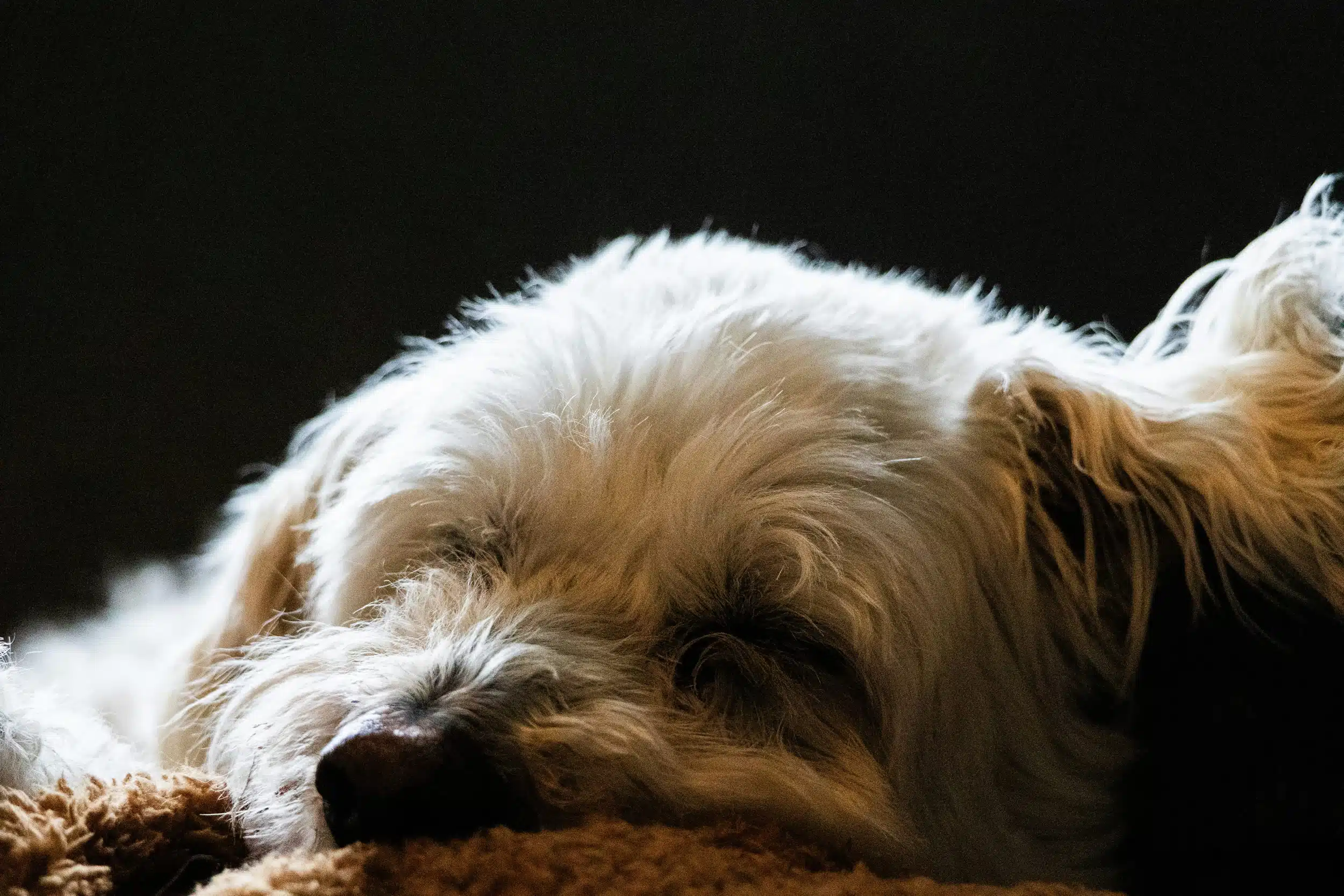
Introduction to Dog Coat Care
Dogs are cherished companions, and their well-being is a top priority for any pet owner. One crucial aspect of their health and happiness is proper coat care. Understanding the different needs of dog breeds when it comes to their coats can make a significant difference in their overall health and appearance. This guide will delve into why coat care is essential and how it varies across different dog breeds.
Why Coat Care Matters
The coat of a dog is more than just a layer of fur. It serves multiple purposes, including protection against environmental elements, regulation of body temperature, and even communication through scent. Proper coat care can prevent skin problems, reduce shedding, and keep your dog comfortable and happy.
Protection Against Elements
A dog’s coat acts as a barrier against the sun, rain, and cold. For instance, breeds like the Siberian Husky have thick double coats designed to withstand harsh winter conditions. In contrast, a Chihuahua’s short coat is more suited for warmer climates.
Temperature Regulation
Dogs do not sweat like humans. Instead, their coats help regulate their body temperature. Double-coated breeds can stay warm in the winter and cool in the summer by trapping air close to the skin.
Skin Health
Regular grooming helps distribute natural oils throughout the coat, which can prevent dry skin and reduce the risk of infections. Neglecting coat care can lead to matting, which can cause skin irritation and other health issues.
Types of Dog Coats
Understanding the different types of dog coats is crucial in providing the best care. Here are some common coat types and their specific needs:
Short Coats
Breeds like the Boxer and Beagle have short coats that require minimal grooming. Regular brushing helps to remove loose hair and distribute natural oils. For more insights on managing shedding, check out The Ultimate Guide to Scheduling De-Shedding for Your Pet.
Long Coats
Breeds such as the Shih Tzu and Afghan Hound require frequent grooming to prevent tangles and matting. Long-haired dogs benefit from daily brushing and regular trims.
Double Coats
Double-coated breeds like the Golden Retriever and German Shepherd require special attention. These dogs have a soft undercoat and a coarser topcoat, necessitating regular brushing to prevent shedding and matting. Learn more about the benefits of regular grooming in How Regular Grooming Positively Affects Your Dog’s Behavior.
Curly Coats
Poodles and Bichon Frises have curly coats that need regular grooming to maintain their texture and prevent matting. These breeds often require professional grooming.
Wire Coats
Terriers and Schnauzers have wire coats that need stripping to remove dead hair and maintain their texture. Regular grooming helps these breeds look their best.
Grooming Tips for Different Coat Types
Each coat type has unique grooming needs. Here are some tips to ensure your dog’s coat stays healthy and beautiful.
Brushing Techniques
- Short Coats: Use a bristle brush to remove loose hair.
- Long Coats: A pin brush helps detangle and smooth the hair.
- Double Coats: An undercoat rake can remove loose undercoat hair effectively.
- Curly Coats: Use a slicker brush to maintain curls without damaging the hair.
- Wire Coats: Hand stripping is essential for maintaining texture.
Bathing Frequency
The frequency of baths varies depending on the coat type and the dog’s lifestyle. Generally, dogs should be bathed every 4-6 weeks, but active dogs may need more frequent baths.
Professional Grooming
Some breeds benefit from professional grooming services. This is particularly true for curly and wire-coated breeds, where specific techniques like clipping and hand stripping are necessary.
Common Coat Problems and Solutions
Despite regular care, some dogs may experience coat problems. Here are common issues and how to address them:
Shedding
While shedding is natural, excessive shedding can be managed with regular brushing and a balanced diet rich in omega-3 fatty acids.
Matting
Matting can be painful and lead to skin infections. Regular brushing and professional grooming can prevent and remedy matted fur.
Dry Skin
Dry skin can cause itching and discomfort. Ensure your dog has a balanced diet and consider using moisturizing shampoos and conditioners.
Allergies
Allergies can affect a dog’s skin and coat. Consult a veterinarian for appropriate treatments and dietary changes.
Conclusion
Understanding and catering to the specific coat needs of your dog breed is essential for their health and happiness. By following the guidelines outlined in this article, you can ensure that your furry companion’s coat remains healthy, shiny, and beautiful. Regular grooming, proper diet, and professional care when necessary will keep your dog looking and feeling their best. Start implementing these care tips today and see the positive impact on your pet’s well-being.